Why Djibouti
A location the world already crosses
Every year, thousands of vessels pass off Djibouti. Our role: turn that passage into an industrial, logistics and financial base.
Position
The strait, the Red Sea, the Indian Ocean
Djibouti occupies the African shore of the Bab-el-Mandeb strait, through which a major share of maritime trade between Asia, the Gulf and Europe passes. That position can neither be relocated nor substituted.
The country combines a deep-water port facade, an electrified rail corridor into Ethiopia and operational free zones. Investors do not have to wait for infrastructure: it is already there.
Finally, the Djibouti franc has been pegged to the US dollar since 1949 and is freely convertible, which simplifies capital flows and de-risks financial models.
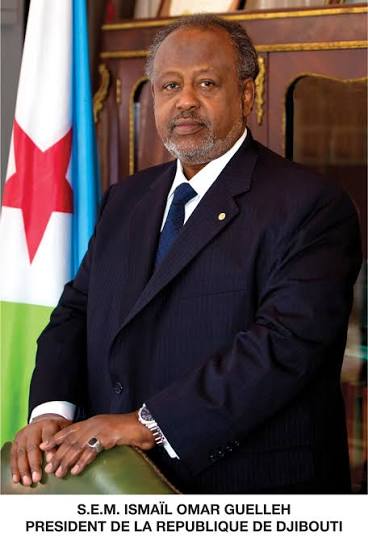
Head of State
H.E. Ismaïl Omar Guelleh
President of the Republic of Djibouti, in office since 1999
National leadership
A trajectory decided at the highest level of the State
Djibouti did not become a logistics and financial hub by accident. Since 1999, President Ismaïl Omar Guelleh has anchored public action in a long-term strategy, Vision Djibouti 2035, which turns the country's position into a growth lever and its stability into an economic asset.
For an investor, that changes the nature of the risk: stated priorities are not revised every cycle, the major works engaged are carried through, and the country keeps acting as a mediator and a peaceful anchor in a region under tension.
01
Vision 2035
An explicit national strategy: make Djibouti a leading logistics and commercial hub by 2035.
02
Stability
Institutional continuity, regional mediation and internal security: a predictable framework for long-term capital.
03
Delivery
Ports, the electrified railway to Addis Ababa, free zones: decisions followed by visible delivery.
What Djibouti brings to the table
On the world's second maritime route
At the southern entrance of the Red Sea, Djibouti commands one of the busiest maritime passages on earth, on the Asia–Gulf–Europe route. That position cannot be relocated.
Strategic regional position
The country acts as the hub for the region's landlocked countries, first among them Ethiopia and its more than 120 million people.
The region's main corridor
Container terminals, a multipurpose port, oil and livestock terminals, extended by the 752 km electrified railway to Addis Ababa: the logistics chain is complete.
Political stability
Institutional continuity that secures long-term commitments: contracts, concessions and investments over ten to thirty years.
Equal rights for every investor
Nationals and foreigners fall under the same regime. Foreign ownership can reach 100% of the capital, including in the free zone.
Djibouti franc pegged to the US dollar
A fixed parity with the dollar since 1949 (1 USD = 177.72 DJF) and low inflation: monetary stability is an established fact, not a promise.
Ease of capital transfer
A financial system free of exchange controls: dividends, royalties and sale proceeds move freely, in convertible currency.
A development-oriented economy
Ports, rail, airport, power plants and industrial zones: the state invests in the infrastructure that determines the profitability of private projects.
African-class telecommunications
Ten submarine cables land in Djibouti, backed by a national operator and a growing data centre footprint.
Opening onto a market of 400 million people
A member of COMESA, IGAD and the AfCFTA: more than 400 million consumers within reach, with free zones as entry platforms.
Country facts
Source: ANPI, general information
- 1 066 809
- Population (2024)
- 3 500 USD
- GDP per capita
- 23 200 km²
- Land area
- 177,72 DJF
- Fixed parity for 1 USD
- UTC+3
- Time zone
- FR · AR
- Official languages
A pluralistic presidential republic whose capital bears the country's name. The highest point is Mount Moussa Ali (2,010 m); the lowest, Lake Assal at −175 m, is the lowest point on the African continent.
6,5 %
Real GDP growth, 2025 · TBC
1,29 M
Containers handled, TEU 2024 · TBC
10
Submarine cables connected · TBC
120 M
Consumers within market access · TBC
Open sectors
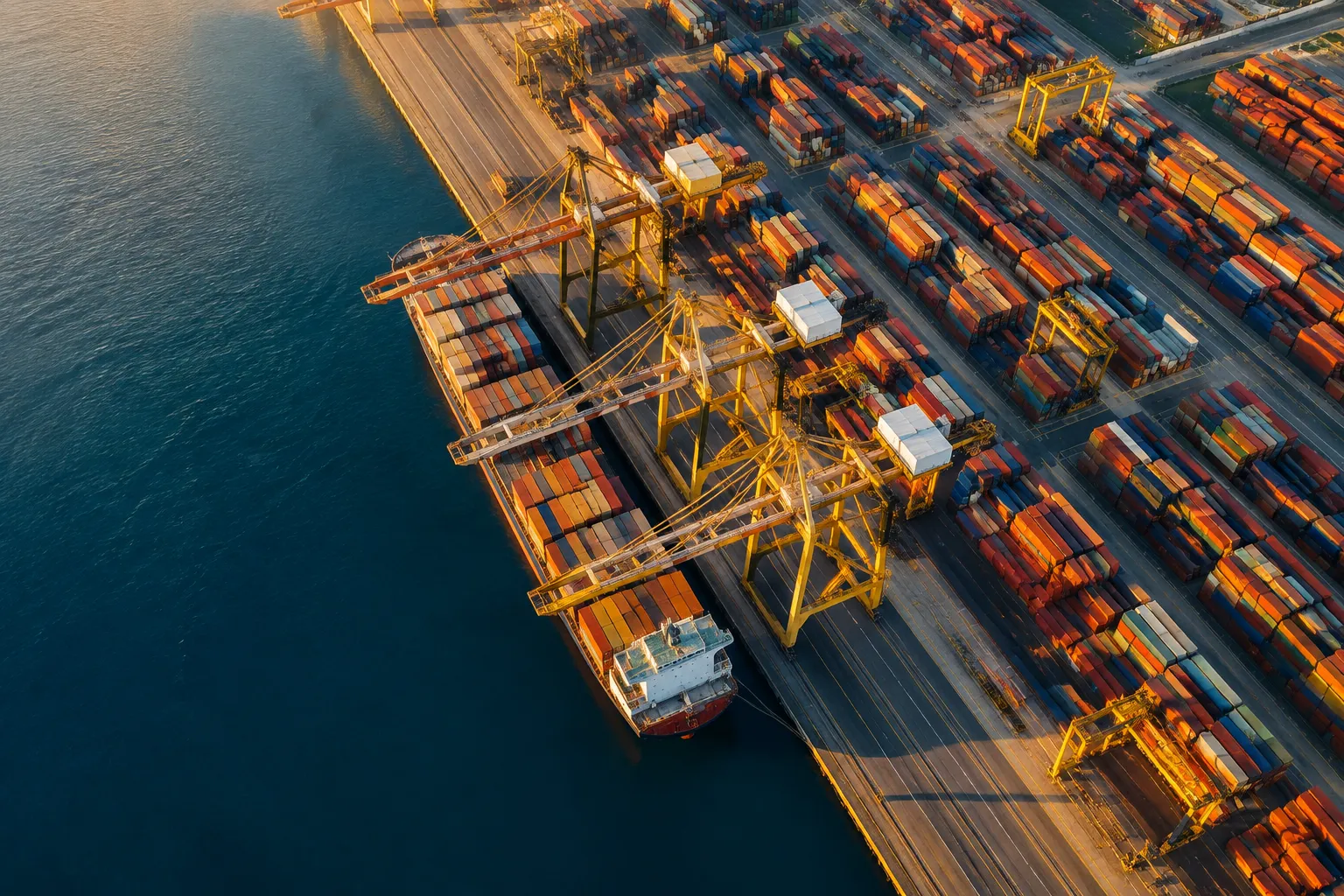
The corridor of East Africa
Logistics & Ports
Container terminals, a multipurpose port, an oil terminal and logistics parks: Djibouti handles a major share of the Horn of Africa's external trade.
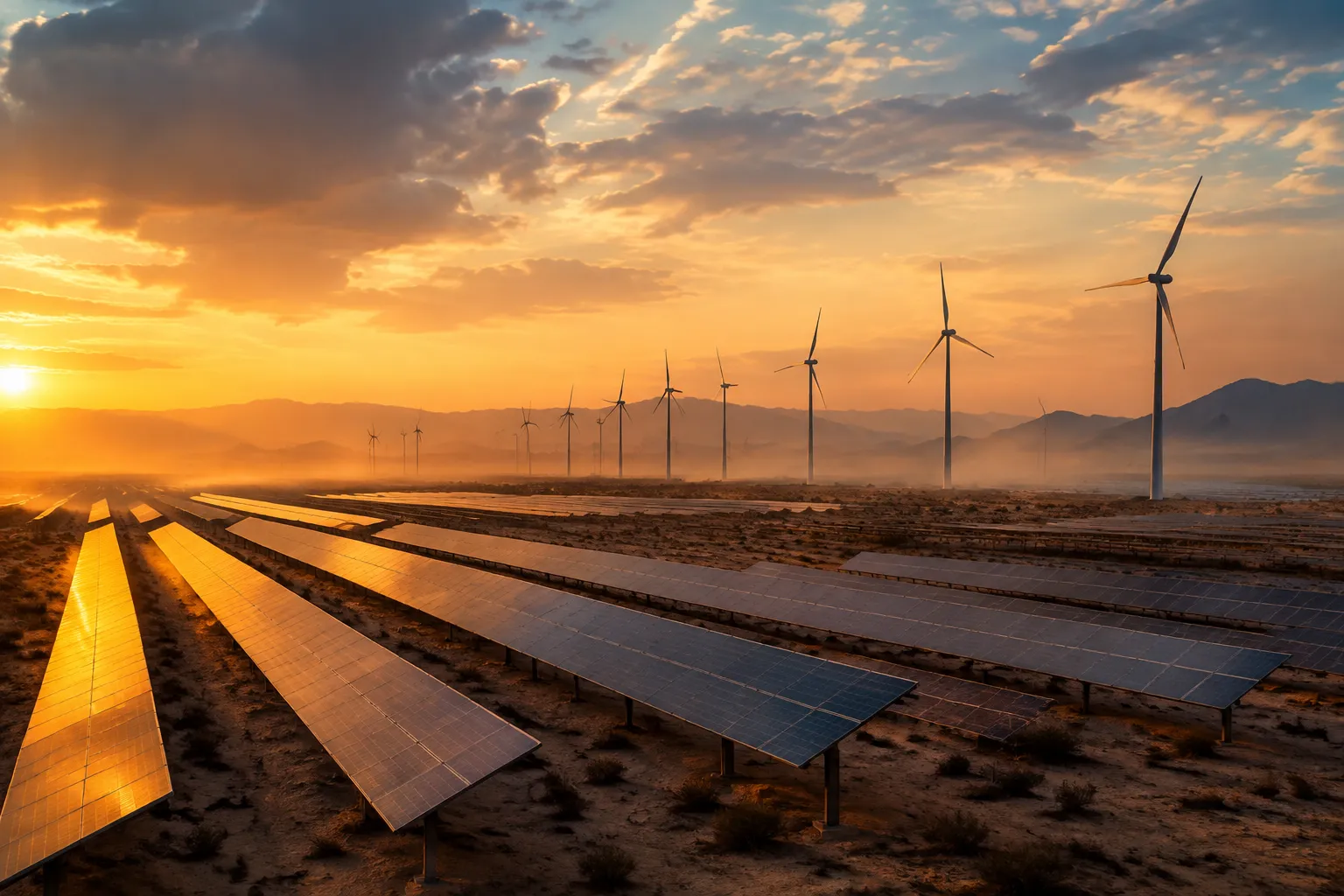
Solar, wind, geothermal
Energy & Renewables
Some of the highest solar irradiation in the world, steady winds over the gulf and untapped geothermal potential.

The digital hub of the Horn
ICT & Data Centres
Nine submarine cables land in Djibouti, making the country the digital interconnection point between Africa, Europe and Asia.
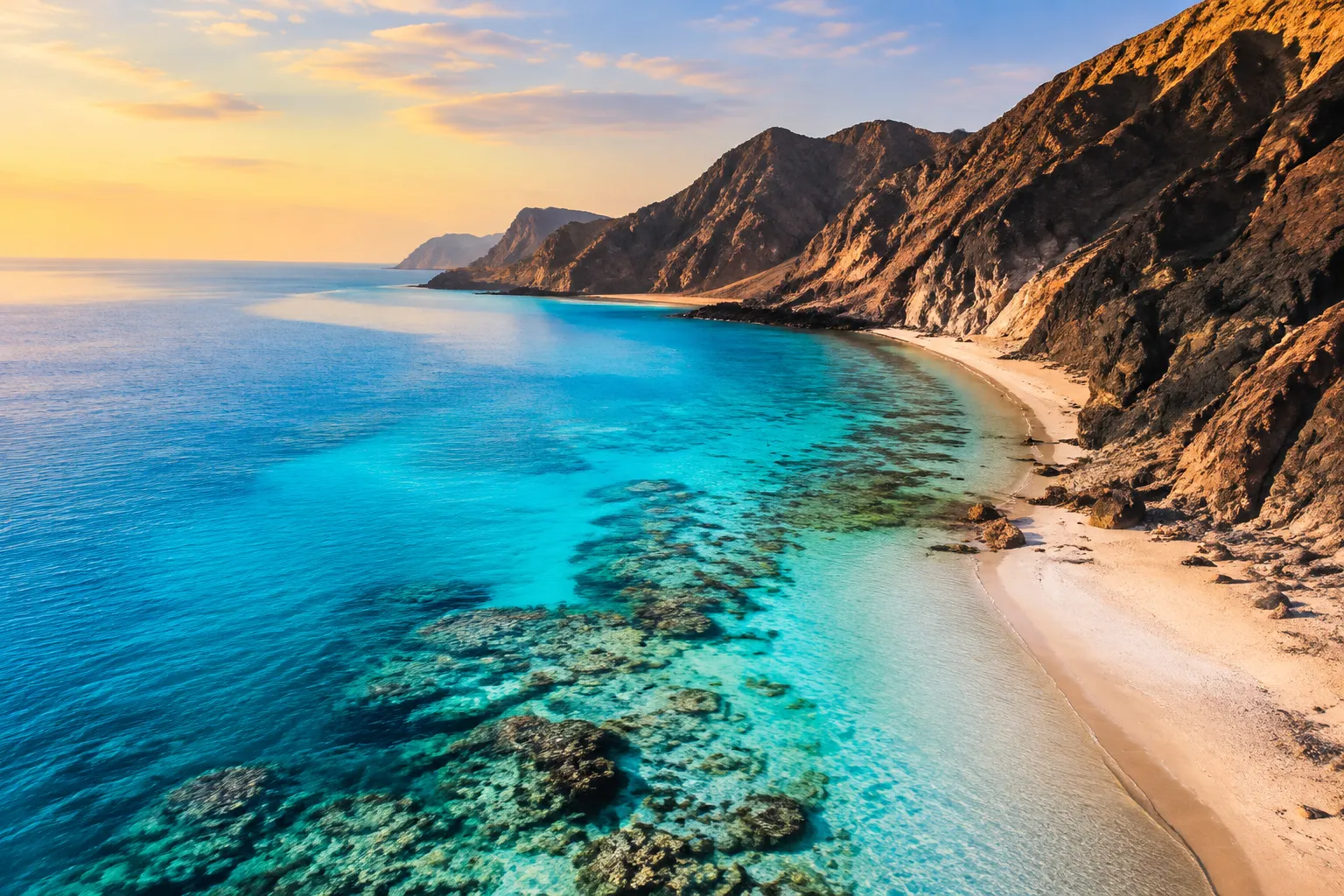
Salt, coral and volcanoes
Tourism
Lac Assal, salt lakes, intact coral reefs and volcanic deserts: a tourism offer that is still rare and largely untapped.
Next step